


What Is Conventional Oil?
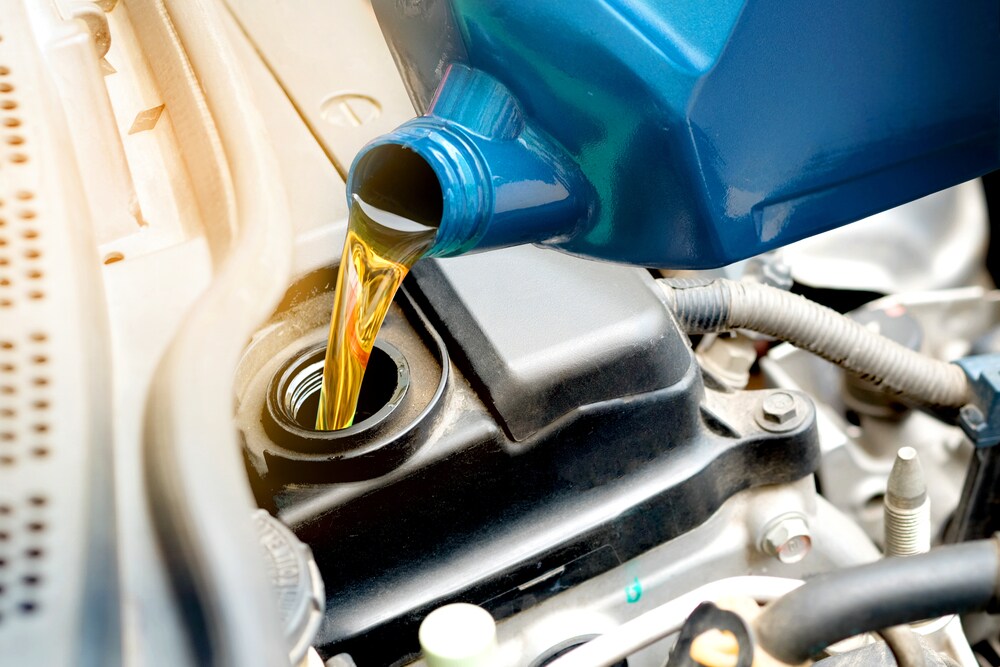 Conventional motor oil is made from fossil fuels. It's also known as mineral oil. This slippery substance works to:
- Lubricate your engine
- Dissipate heat
- Whisk away debris
- Prevent corrosion
The process of creating and refining conventional oil is relatively simple and fast (to an oil chemist at least). As a result, it is widely available and tends to have a lower price tag.
Because it is readily accessible, cheaper to produce, and effective, conventional motor oil can be used in virtually all gas-powered vehicles. However, conventional oil has its drawbacks.
Although it will effectively protect your engine and lubricate important components, it is not as reliable in extreme temperatures or heavy machinery. As a result, you may need to change it more frequently if you use your vehicle for heavy towing.
What Is Synthetic Oil?
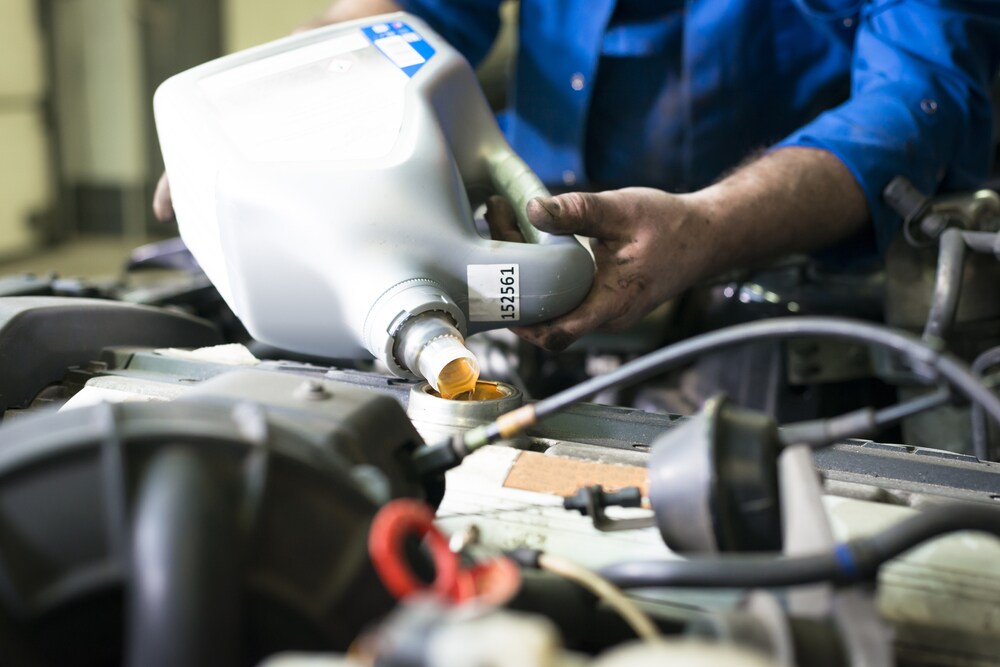 Synthetic oil is made of the same base components as conventional oil but with additional ingredients. It also goes through an extensive refinement process to remove impure particles and debris.
As a result, synthetic oil flows faster in colder temperatures, is more chemically stable, and more difficult to break down. All these characteristics make this type of oil highly desirable for drivers of all vehicles.
When it comes to choosing conventional vs. synthetic oil, many drivers and mechanics will tell you that synthetic is the way to go no matter what vehicle you drive. Its chemical makeup typically makes it last longer and better. Synthetic oil typically doesn't need to be changed for 7,000 to 15,000 miles, depending on the brand and your driving habits.
What Type of Oil Does My Car Need?
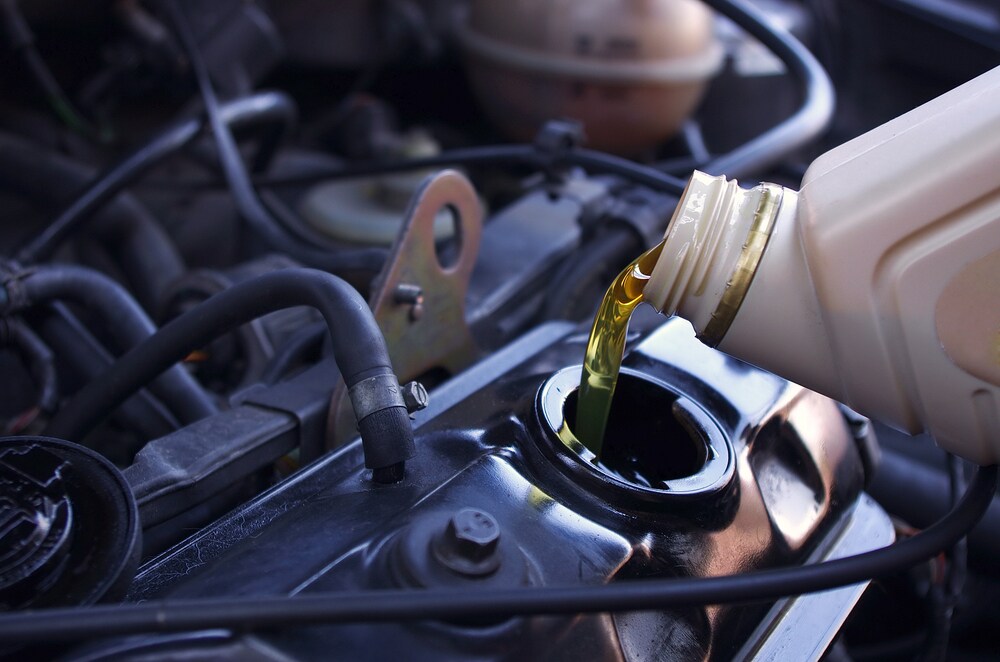 Most cars will function well whether you use conventional or synthetic oil. However, synthetic oil is better suited for certain types of vehicles. For example, cars with turbocharged or supercharged engines will require synthetic oil to keep them working at such high power. This includes many SUVs, heavy-duty pickup trucks, and sports cars.
Moreover, if you live in areas with very cold or very hot temperatures, synthetic oil will be better able to protect the engine due to its higher resistance to breakdown.
While there are many benefits to choosing synthetic oil for your vehicle, in many cases, you don't need it. However, it is best to refer to your owner's manual and use the manufacturer-recommended oil type.
Conventional vs Synthetic Oil: We'll Make Sure Your Car Gets the Right One
Drivers in Marion, Herrin, and Carbondale, Illinois, looking for the right service center to change their oil can visit Watermark Ford of Marion. Whether you need synthetic or conventional motor oil, we've got you covered. If you're not sure which option is best for your vehicle, we can assist with that as well.
Reach out to our experienced team and schedule your next oil change with us!
Make an Inquiry
* Indicates a required field
Contact
Watermark Ford of Marion
1910 W. Coolidge Ave.
Marion, IL 62959
- Sales: (618) 993-2161
- Service: (618) 993-2161
- Parts: (618) 993-2161
Hours
- Monday 8am-6pm
- Tuesday 8am-6pm
- Wednesday 8am-6pm
- Thursday 8am-6pm
- Friday 8am-6pm
- Saturday 9am-5pm
- Sunday Closed